Blog

Your blog category

Blog

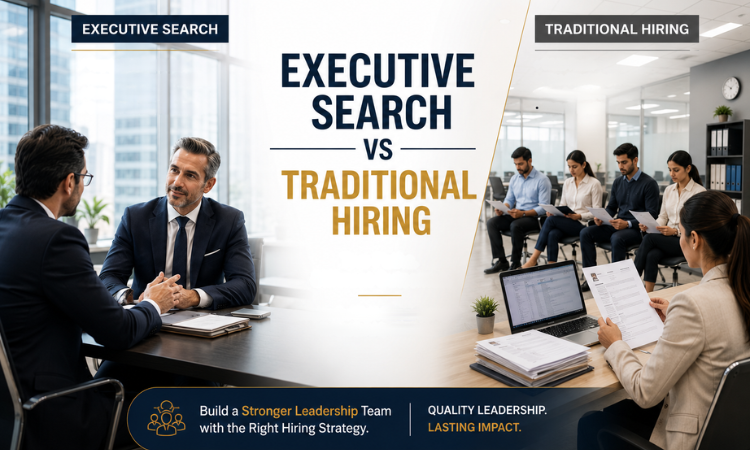
Executive Search vs Traditional Hiring

Hiring the right people is one of the most important decisions any organization makes. While filling entry-level and mid-level positions often follows a standard recruitment process, leadership roles require a more strategic approach. Senior professionals influence business performance, shape company culture, and drive long-term growth, making every hiring decision critical. This is where businesses often face an important question: Should they choose executive search or traditional hiring? Although both methods aim to recruit qualified professionals, they differ significantly in their approach, target audience, search process, and business outcomes. Understanding these differences helps organizations select the right hiring strategy based on their workforce needs. Sigma Consultancy supports businesses through comprehensive recruitment solutions, including executive search, leadership hiring, permanent recruitment, bulk hiring, staffing, and talent acquisition across diverse industries. Understanding Executive Search Executive search is a specialized recruitment process focused on identifying and attracting senior professionals for leadership and strategic roles. Instead of relying only on active job applicants, executive search involves targeted research, industry networking, candidate evaluation, and confidential hiring. It is commonly used for positions such as: Because these roles directly influence organizational performance, executive search requires a more personalized and strategic recruitment approach. Executive Search vs Traditional Hiring While both hiring methods help businesses build capable teams, they serve different recruitment objectives. Recruitment Factor Executive Search Traditional Hiring Hiring Focus Leadership positions General workforce Candidate Search Targeted and confidential Open recruitment Candidate Pool Passive and active talent Mostly active applicants Evaluation Process Extensive assessment Standard interviews Best For Strategic business roles Regular hiring needs Choosing the right approach depends on the complexity and importance of the position being filled. When Traditional Hiring Works Best Traditional recruitment remains an effective solution for many organizations, especially when hiring multiple employees within a shorter timeframe. It is suitable for: This process usually involves job advertisements, resume screening, interviews, and candidate selection from active job seekers. For organizations with recurring recruitment needs, traditional hiring provides an efficient and scalable solution. When Executive Search Is the Better Choice? Leadership hiring requires more than matching skills with a job description. Organizations need professionals who align with business goals, organizational culture, and long-term strategy. Executive search becomes valuable when businesses need to: These positions often require approaching candidates who are not actively searching for new opportunities, making executive search a more specialized process. Factors to Consider Before Choosing a Hiring Strategy Selecting the right recruitment approach depends on several business factors. Position Level Senior management roles generally require executive search, while operational positions can often be filled through traditional recruitment. Business Objectives Organizations planning expansion or transformation may benefit from experienced leadership professionals who bring strategic expertise. Hiring Timeline Bulk recruitment projects often require faster hiring processes, whereas executive search prioritizes finding the right long-term candidate. Skill Availability Highly specialized roles usually require a broader and more targeted search than standard recruitment methods. Considering these factors helps businesses choose the recruitment strategy that best supports their objectives. Why Partner with an Experienced Recruitment Consultant? Recruitment is not simply about filling vacancies. It is about identifying professionals who contribute to business performance and organizational growth. Sigma Consultancy offers a broad range of recruitment services, including: By combining recruitment expertise with HR consulting, payroll management, statutory compliance, and workforce solutions, Sigma Consultancy provides businesses with integrated support throughout the hiring process. Conclusion Both executive search and traditional hiring have an important place in modern recruitment. The right choice depends on the position, business objectives, hiring timeline, and level of expertise required. Organizations that understand these differences can make better hiring decisions, strengthen their workforce, and build teams that support long-term success. Whether you’re recruiting future leaders or expanding your workforce, Sigma Consultancy offers tailored recruitment solutions backed by industry expertise and integrated HR services. Connect with Sigma Consultancy to find the right talent for your business.

Blog

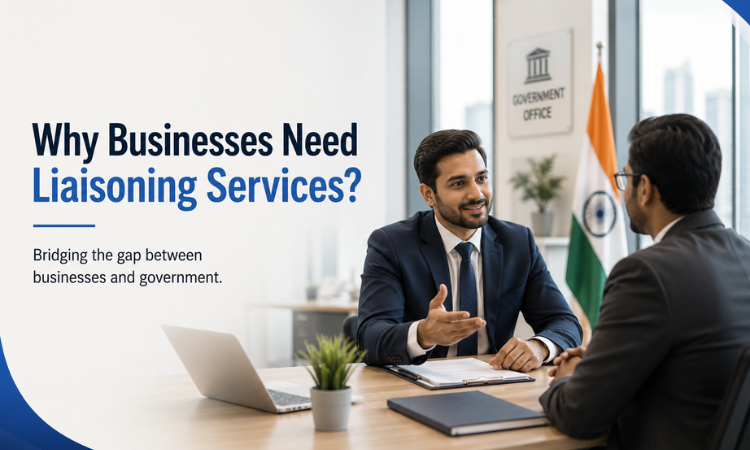
Why Businesses Need Liaisoning Services?

A business opportunity often depends on timing. Whether launching a manufacturing unit, developing a commercial property, or expanding operations, delays in regulatory approvals can affect budgets, project schedules, and investor confidence. Many organizations have the technical expertise to execute projects but struggle with navigating regulatory procedures, documentation, and coordination with multiple authorities. This is where professional liaisoning services create real value. Rather than treating approvals as isolated tasks, experienced liaisoning professionals manage the entire coordination process, helping businesses stay focused on their core operations while regulatory requirements are handled efficiently. At Sigma Consultancy, liaisoning is part of a broader business support ecosystem that combines regulatory coordination with HR consulting, compliance management, and strategic advisory services. Understanding Liaisoning Services Liaisoning services involve coordinating with government departments and statutory authorities to obtain approvals, licenses, and clearances required for business operations and project execution. According to Sigma Consultancy’s service portfolio, liaisoning support includes: Each approval has its own documentation process, timelines, and regulatory requirements, making professional coordination an important part of successful project execution. Why Professional Liaisoning Makes a Difference? Managing approvals without dedicated expertise can become time-consuming, particularly when multiple authorities are involved. The table below highlights how professional liaisoning support improves the approval process. Business Requirement Without Liaisoning Support With Professional Liaisoning Documentation Higher risk of errors Structured document management Government Coordination Multiple follow-ups Dedicated communication Regulatory Process Difficult to monitor Organized process tracking Project Timelines Possible delays Better coordination Business Focus Administrative workload Greater focus on core operations Professional liaisoning is not about bypassing regulations. It is about ensuring every requirement is managed systematically and in accordance with applicable procedures. Common Challenges Businesses Face Every project has different compliance requirements, but several challenges are common across industries. Managing Multiple Authorities Businesses often need approvals from different departments, each with separate procedures and documentation requirements. Keeping Documentation Complete Incomplete applications or missing supporting documents can delay approvals and increase administrative effort. Understanding Regulatory Requirements Regulations may vary depending on the nature, location, and scale of a project. Staying informed requires continuous attention. Coordinating Internal Teams Project managers, consultants, architects, and business leaders all need access to accurate information during the approval process. Effective liaisoning keeps communication organized and aligned. Industries That Benefit from Liaisoning Services Regulatory approvals are essential across numerous industries. Sigma Consultancy supports organizations operating in sectors including: Each industry presents unique regulatory challenges. Having experienced professionals manage approvals helps businesses reduce administrative complexity while maintaining compliance. Choosing the Right Liaisoning Partner Not every liaisoning provider offers the same level of expertise or business understanding. The right partner should combine regulatory knowledge with structured project coordination. When evaluating a liaisoning partner, consider: Sigma Consultancy stands apart by integrating liaisoning with HR consulting, payroll management, statutory compliance, and business advisory, allowing clients to access several critical business services through a single partner. Conclusion Regulatory approvals are a critical part of business success, but managing them effectively requires experience, coordination, and attention to detail. Professional liaisoning services help organizations streamline documentation, improve communication with regulatory authorities, and keep projects progressing with greater confidence. Whether your organization is planning a new development, expanding operations, or navigating complex approval processes, partnering with experienced professionals can make a meaningful difference. Sigma Consultancy provides comprehensive liaisoning services across India, helping businesses manage approvals, licenses, statutory requirements, and regulatory coordination with confidence. Connect with Sigma Consultancy to simplify your approval process and keep your projects moving forward.

Blog

Integrated HR Services for Business Growth

Managing people has become more complex than ever. Businesses today are expected to attract skilled professionals, process payroll accurately, comply with changing labour regulations, and create efficient HR systems, all while focusing on growth. When these functions are managed separately, businesses often face delays, higher costs, and inconsistent processes. An integrated HR approach brings these essential functions together under one strategic framework. Instead of coordinating with multiple service providers, businesses can streamline recruitment, payroll, compliance, and workforce management through a single partner. Sigma Consultancy delivers integrated HR solutions designed to help startups, SMEs, and large enterprises improve operational efficiency while building a stronger workforce. What Are Integrated HR Services? Integrated HR services combine multiple human resource functions into a unified solution. Rather than treating recruitment, payroll, statutory compliance, and employee management as separate responsibilities, these services work together to support the entire employee lifecycle. According to Sigma Consultancy’s service portfolio, integrated HR services include: This integrated approach allows businesses to reduce administrative complexity while improving consistency across HR operations. Why Businesses Need an Integrated HR Approach As organizations grow, HR responsibilities become increasingly interconnected. Hiring new employees affects payroll, compliance, onboarding, and documentation. Managing these processes independently often creates unnecessary delays and operational challenges. The following comparison highlights the difference between a fragmented and integrated HR approach. HR Function Separate Management Integrated HR Services Recruitment Multiple vendors Single HR partner Payroll Independent processing Connected with HR records Compliance Managed separately Integrated with payroll Employee Records Different systems Centralized management Reporting Disconnected data Unified business insights An integrated model improves coordination, minimizes duplication, and enables smoother business operations. Key Benefits of Integrated HR Services Better Recruitment Management Finding the right talent requires more than posting vacancies. Businesses need structured hiring processes, candidate screening, competency assessments, and onboarding support. Sigma Consultancy provides recruitment solutions ranging from executive search and leadership hiring to bulk recruitment and staffing, enabling organizations to build capable teams efficiently. Simplified Payroll Processing Payroll errors can impact employee satisfaction and create compliance risks. Integrated payroll services help businesses manage: With payroll connected to HR processes, businesses reduce manual effort and improve accuracy. Stronger Statutory Compliance Compliance requirements continue to evolve, making it essential for businesses to stay updated with applicable regulations. Sigma Consultancy supports organizations with statutory compliance services covering areas such as: Managing compliance alongside payroll and HR reduces the risk of delays, penalties, and documentation errors. Supporting the Complete Employee Lifecycle HR responsibilities extend well beyond recruitment. Employees require structured onboarding, policy communication, payroll management, performance support, and compliance throughout their journey with the organization. Integrated HR services support every stage, including: Managing these activities through one structured system creates a better experience for both employers and employees. Why Integrated HR Matters for Growing Businesses Growing businesses often experience challenges that include expanding teams, increasing compliance responsibilities, and higher administrative workloads. An integrated HR model helps organizations by: Instead of spending valuable time managing disconnected HR activities, business leaders can focus on strategic growth initiatives. Choosing the Right HR Consulting Partner Selecting an HR consulting partner involves more than evaluating recruitment capabilities. Businesses should look for organizations that offer comprehensive support across multiple HR functions. Important considerations include: Sigma Consultancy provides integrated HR consulting services supported by talent acquisition, payroll processing, statutory compliance, HR strategy, and employee lifecycle management. This enables businesses to manage multiple HR functions through a single experienced partner. Conclusion An efficient HR function plays an important role in long-term business success. When recruitment, payroll, compliance, and workforce management operate together, organizations benefit from smoother processes, improved efficiency, and stronger operational control. Whether you’re a startup building your first HR framework or an established enterprise looking to streamline existing operations, integrated HR services provide the structure needed to support sustainable growth. Looking for a trusted partner to simplify your HR operations? Sigma Consultancy offers integrated HR consulting, recruitment, payroll, compliance, and workforce management solutions tailored to your business needs. Connect with Sigma Consultancy to build a stronger, more efficient organization.

SigmaNext Advisory LLP is a strategic consulting and executive search firm backed by over 15 years of industry experience through the founders’ legacy at Sigma Consultancy Services (est. 2011). We partner with startups, SMEs, corporates, and investors to deliver strategic consulting, executive search, regulatory advisory, and real estate consulting, enabling sustainable business growth.

Contact Us

Scroll to Top